Making Money with AR: 6 Ways for Photographers in 2026
Andrei Zhizdra — Founder, Stories AR
Quick answer
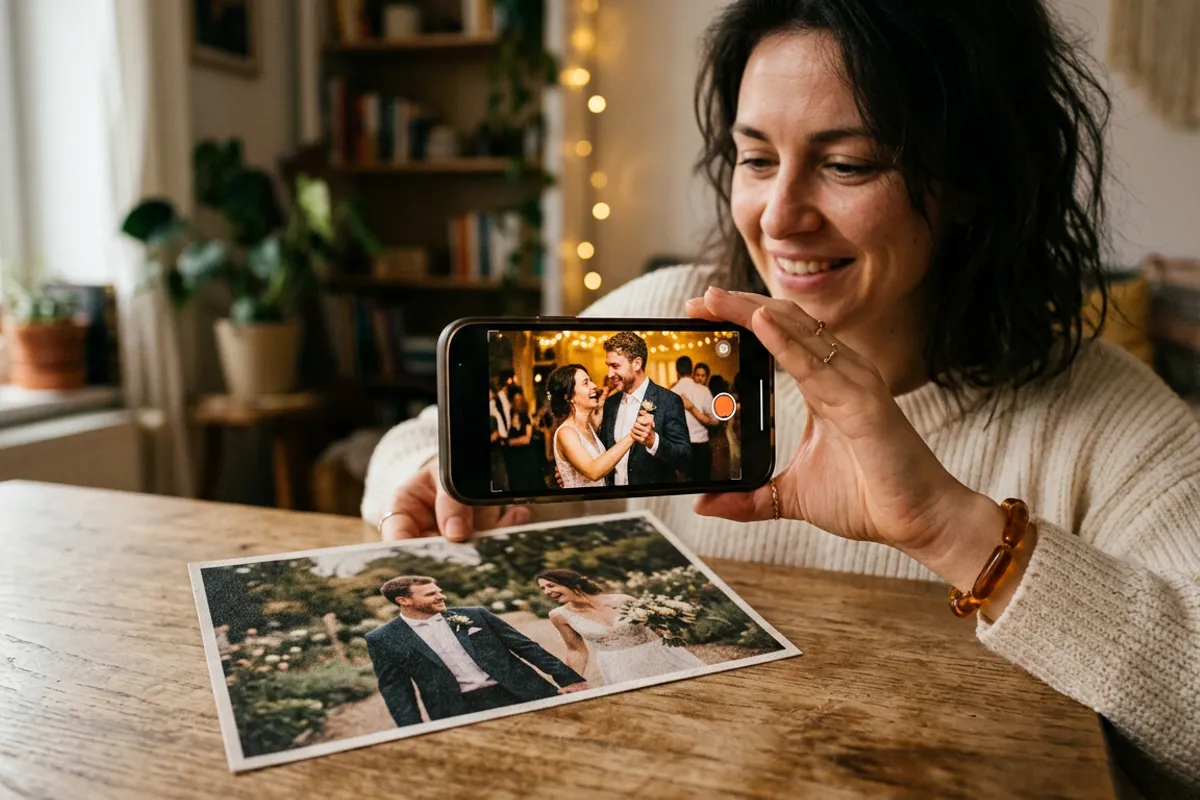
The fastest way for a photographer to make money with AR is selling living photo products: albums, magnets, postcards and keychains where the printed photo plays a video through the phone camera. You already shoot the photos and video — linking them in Stories AR takes a minute per image, and the "magic" effect justifies premium pricing over regular prints.
Key takeaways
- AR products are premium upsells on work you already do: photos + video from the same shoot
- Living albums, magnets and keychains sell at 2–5× the price of regular prints
- AR business cards and packaging open a B2B revenue stream with local businesses
- Events (weddings, graduations, kindergartens) are the highest-volume AR niches
- No development costs: no-code WebAR platforms replace custom AR apps
Augmented reality stopped being a developer’s market: with no-code WebAR, the people best positioned to profit are the ones who already create photos and video — photographers. Here are six ways that work in 2026, ranked by how fast they pay off.
Stories AR is now the largest living-photo service: over 62,000 photographers use it, and more than 259,000 AR photos have been created.
The business case is proven: products with 3D/AR content see up to a 94% conversion lift (Shopify), and AR interaction drives 94% higher conversion across retail (Deloitte × Snap).
1. Living photo products (fastest)
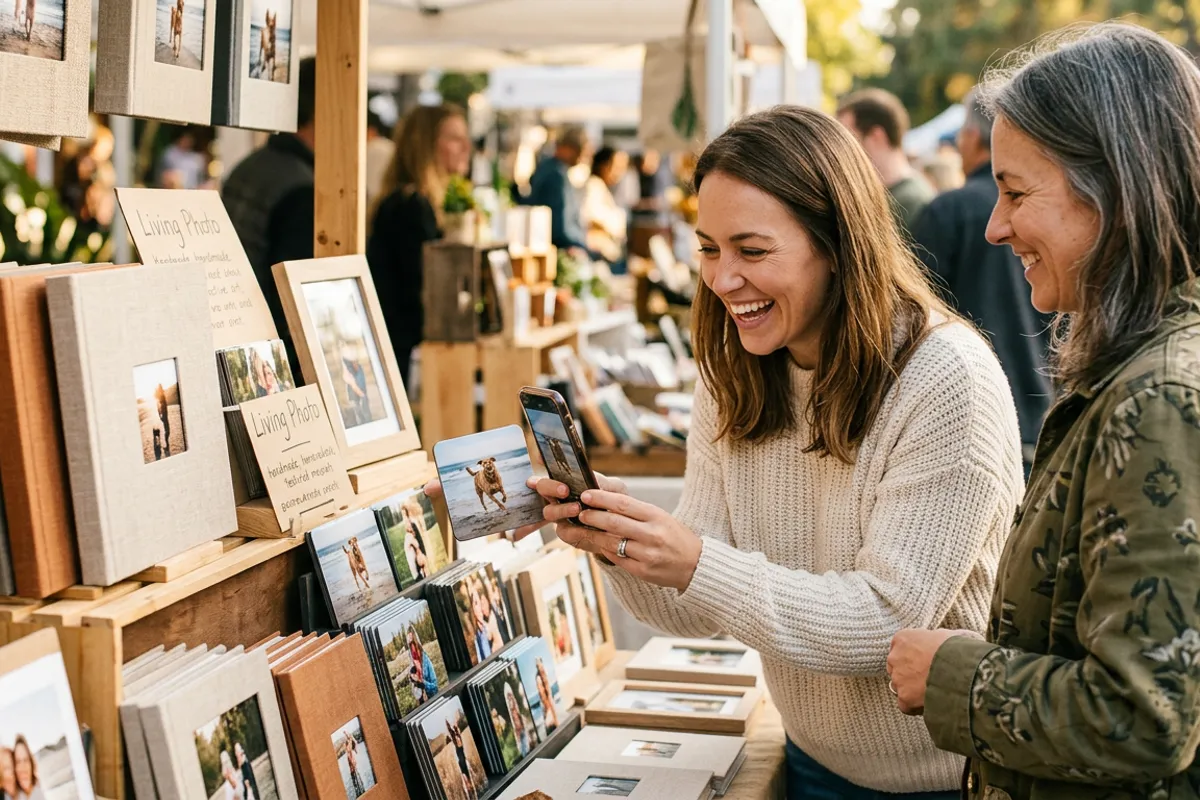
Magnets, postcards, keychains and calendars where the photo plays a video through the camera. You shoot both at every session anyway; linking them in Stories AR takes a minute. The wow factor sells itself at kindergartens, graduations and weddings.
2. Living wedding and family albums
The flagship product: an album where key photos play the actual moments — vows, first dance, laughter. Sold as a premium tier above the regular album. See the mechanics in AR photography.
3. AR business cards
Your own card plays your showreel — instant proof of skill. Then sell the same product to local businesses: realtors, salons, restaurants. Guide: how to create WebAR.
4. Event AR services
Offer venues and event agencies living posters, AR photo zones and QR code games. One event contract often covers a month of retail sales.
5. B2B content + AR packaging
Brands need product photos anyway. Adding an AR layer (the pack plays a video via an AR QR code) turns a shoot into a campaign — and you into a premium vendor.
6. Reselling AR as a service
Once you master the workflow, produce living photos for other photographers and print shops that don’t want to learn the tools. Volume is where subscription platform costs pay for themselves.
How to start this week
- Make one living photo free on Stories AR — your demo.
- Add a “living” premium tier to your next shoot’s price list.
- Show the demo at delivery — the scan-and-see moment closes the sale.
Frequently asked questions
How do photographers price AR products?+
As a premium tier: a living album or magnet typically sells for 2–5 times the regular version. The extra cost to you is minutes of linking time, so margins are high.
What sells best?+
Event products: living wedding albums, graduation and kindergarten magnets, keychains. Parents and couples buy the "alive" version emotionally, on the spot.
Do I need technical skills?+
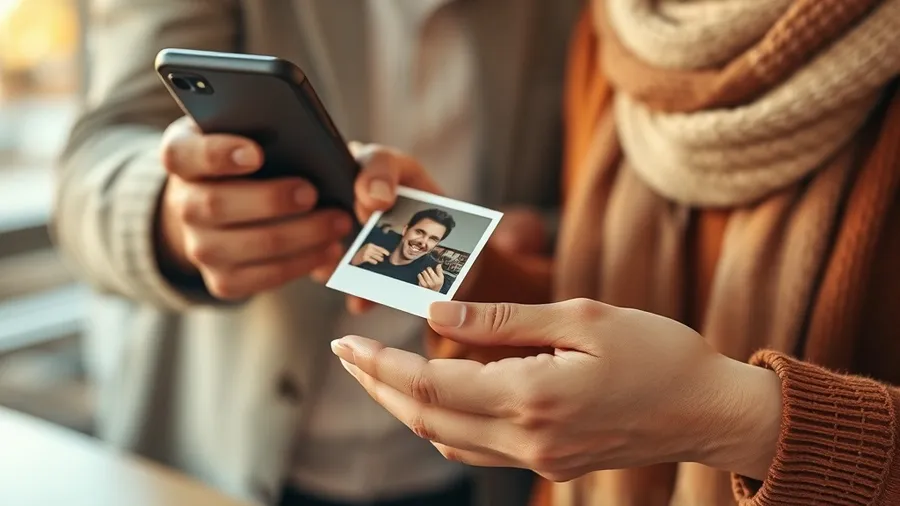
No. You upload a photo and a video to Stories AR, get a QR code, and add it to the printed product. No coding, and viewers need no app.
Can I offer AR to businesses?+
Yes — AR business cards, menus, packaging and posters. You shoot the content anyway; the AR layer makes you a premium vendor rather than a commodity photographer.