How to Sell AR Photo Albums: A Photographer's Playbook
Stories AR team

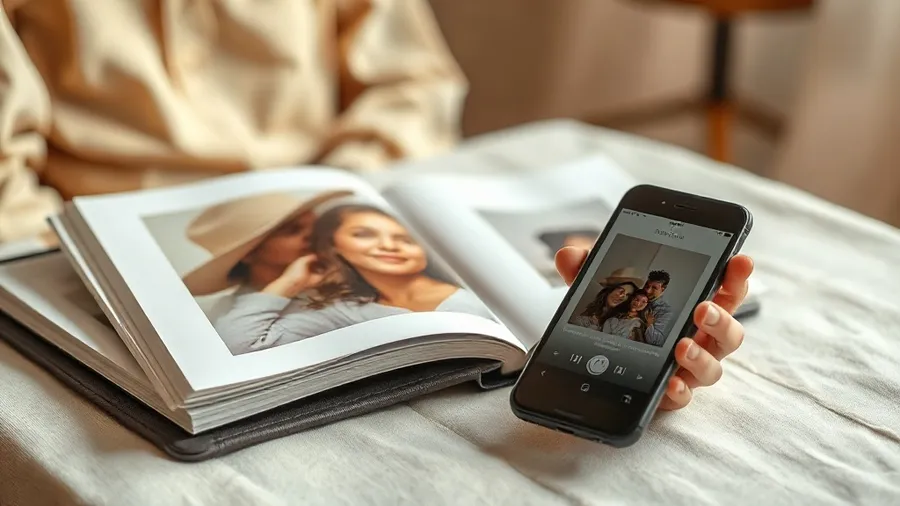
An AR photo album looks like a regular printed album — until someone points a phone camera at a page and the photo starts playing video, right in the browser. More than 62 000 photographers already use this format, and the hard part is not making the album. It is selling it. This playbook covers the two moments when the pitch works, the 30-second demo, pricing, packaging and the objections you will actually hear.
Quick answer
Sell AR photo albums at two moments: when the client books the shoot (as a package tier) and when you deliver the finished photos (as an upgrade). Demo it live in 30 seconds from your phone, price it as a premium add-on on top of the print cost, and hand over the album with a printed QR card that explains how to watch it.
Key takeaways
- The two best moments to pitch are at booking (package tier) and at delivery (upgrade on emotion).
- A live 30-second demo closes better than any explanation — keep one AR photo on your phone at all times.
- Price AR as a premium layer on top of the album, not as a separate tech product.
- Package the album with a printed QR card so the client can show it to family without your help.
- The video behind each photo can be replaced anytime, so the album never goes out of date.
When to pitch: booking and delivery
The first window is booking. When a client picks a package, add an "album that comes alive" tier above your standard album. You are not selling technology — you are selling the moment when grandparents point a phone at a wedding page and hear the vows again. At booking the client is already planning to spend, so a higher tier feels like a choice, not an extra bill.
The second window is delivery. The client has just seen their photos and is at peak emotion — this is the easiest moment to offer an upgrade: "I can also make five of these photos play video when you point a camera at them." Because you already have the footage from the shoot, the upgrade costs you almost nothing to produce.
Avoid pitching mid-shoot. The client is focused on posing and logistics, and a sales conversation there feels pushy.
The 30-second demo that does the selling
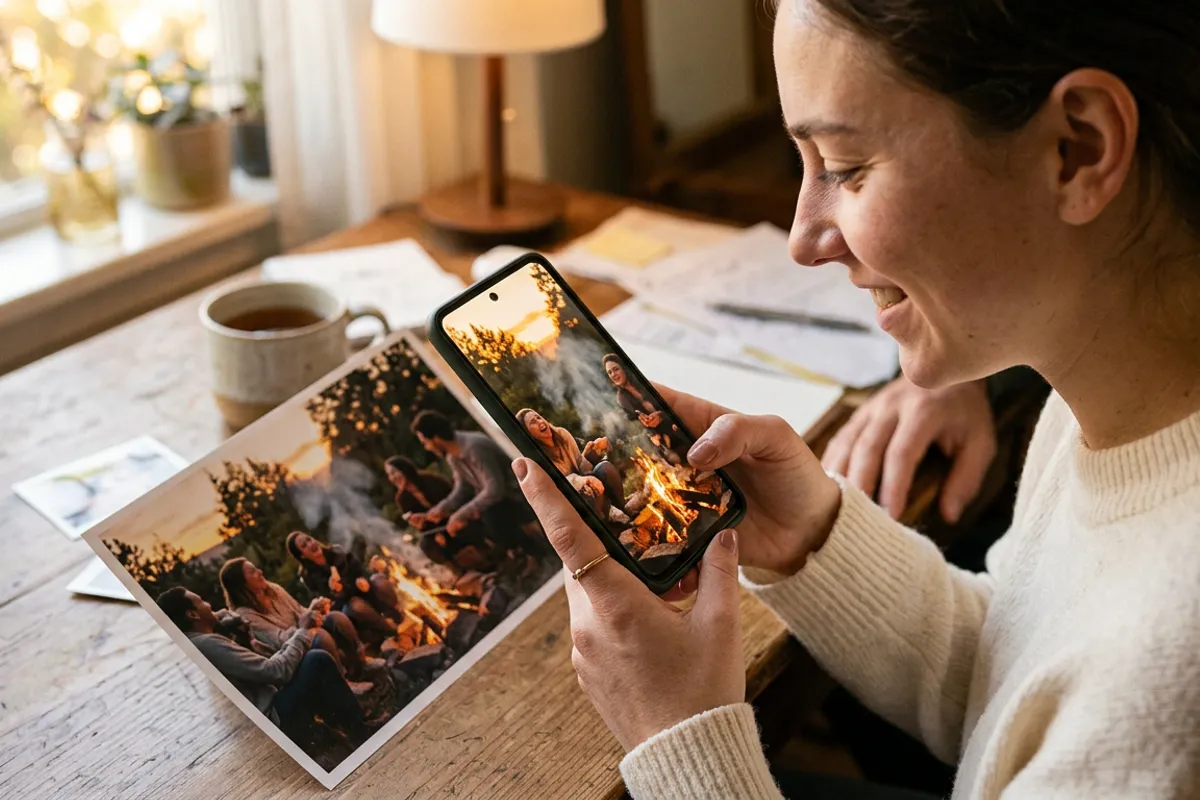
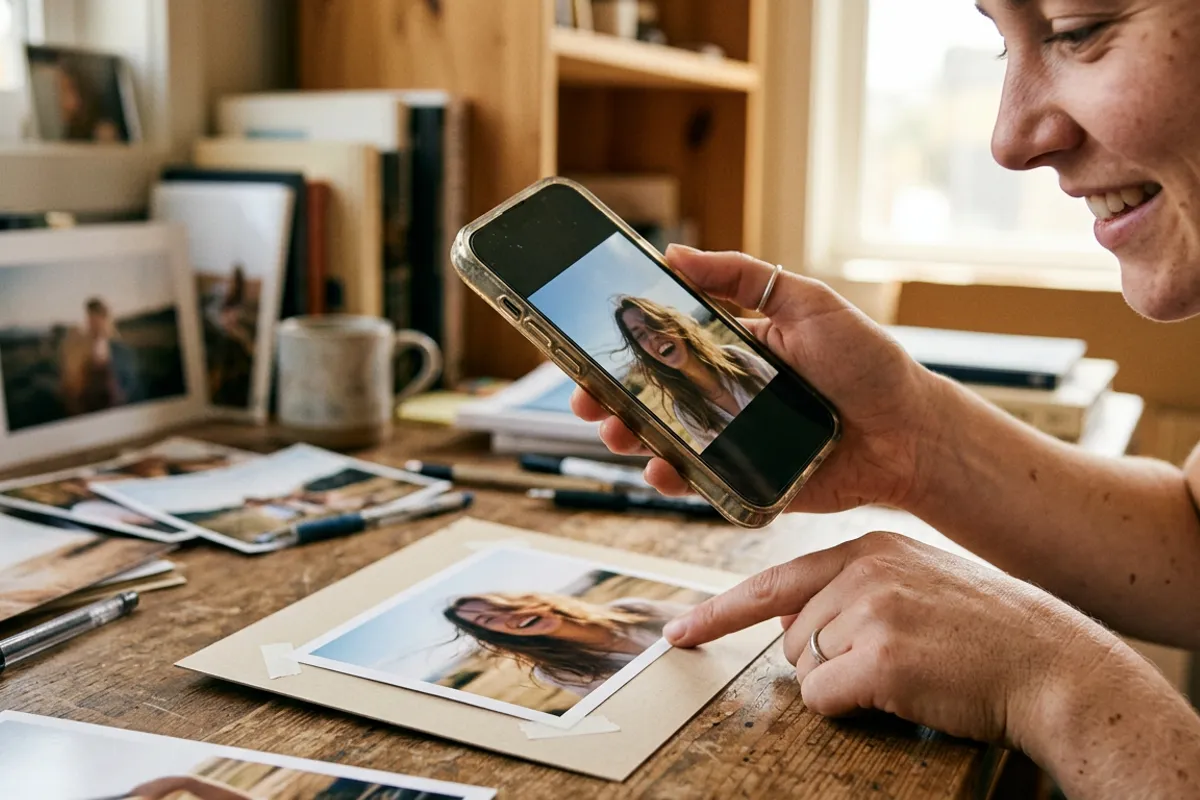
Nobody buys AR from a description. Keep one printed AR photo (or just the image open on your tablet) and let the client scan the QR code with their own phone. The browser opens the camera, they point it at the photo, and the video plays anchored on top of the print. No app to install — it works in Safari on iPhone and Chrome on Android.
If you have nothing printed with you, send them the public demo at stories-ar.com/en/demo — it works from a screen too, so the client can try it on the spot from your laptop.
The demo matters because the reaction is physical: people smile, call someone over, scan it again. That reaction is your close. After it, the only question left is "how much?"
Pricing the upsell
Think of AR as a premium layer on the album, not a separate product. Your marginal cost is low: on the PRO plan ($24/month billed yearly) you get 20 AR photos per month, so a 10-photo living album costs you a fraction of the subscription — while the client perceives it as a one-of-a-kind product no other photographer in town offers.
A simple structure that works: standard album, album + 5 living photos, album + every spread alive. Anchor the top tier high so the middle tier feels reasonable.
To see what this does to your income across a month of shoots, run your numbers through the photographer earnings calculator — it models the add-on at your own prices and volume.
Packaging: album + QR card
Deliver the album with a small printed card: the QR code plus one line of instructions — "Point your camera at this code, then at any photo." The card does two jobs. It removes the friction of explaining the technology, and it turns every guest who visits the client into a new demo audience.
Since each photo in the album is a trigger image, detailed shots work best: faces, textures, rich scenes. Avoid flat single-color pages and heavily glossy laminate. See the full AR photo book format guide for layout tips.
One more packaging trick: put the QR card inside the album's first page. The client opens the album, sees the card, and the experience explains itself.
Objection handling
"Will it still work in 5 years?" Yes — and this is worth saying proactively. The viewer runs in the browser, not in an app that can disappear from a store. And the video behind each photo can be replaced at any time without reprinting the album: the QR code and the trigger photo stay the same forever.
"Do my parents need to install anything?" No. They scan the QR code, the browser opens the camera, and the photo plays. It works on iPhone and Android alike, and the camera feed is processed locally in the browser — nothing is recorded or uploaded.
"Isn't this a gimmick?" The honest answer: a static album shows how the day looked; a living album shows how it sounded and moved. With 259 000+ AR photos already created on the platform, this is a product category, not a party trick.
“The demo is the close. Let the client scan a living photo with their own phone — after that, the only question left is the price.”
— Stories AR team
Add living albums to your price list
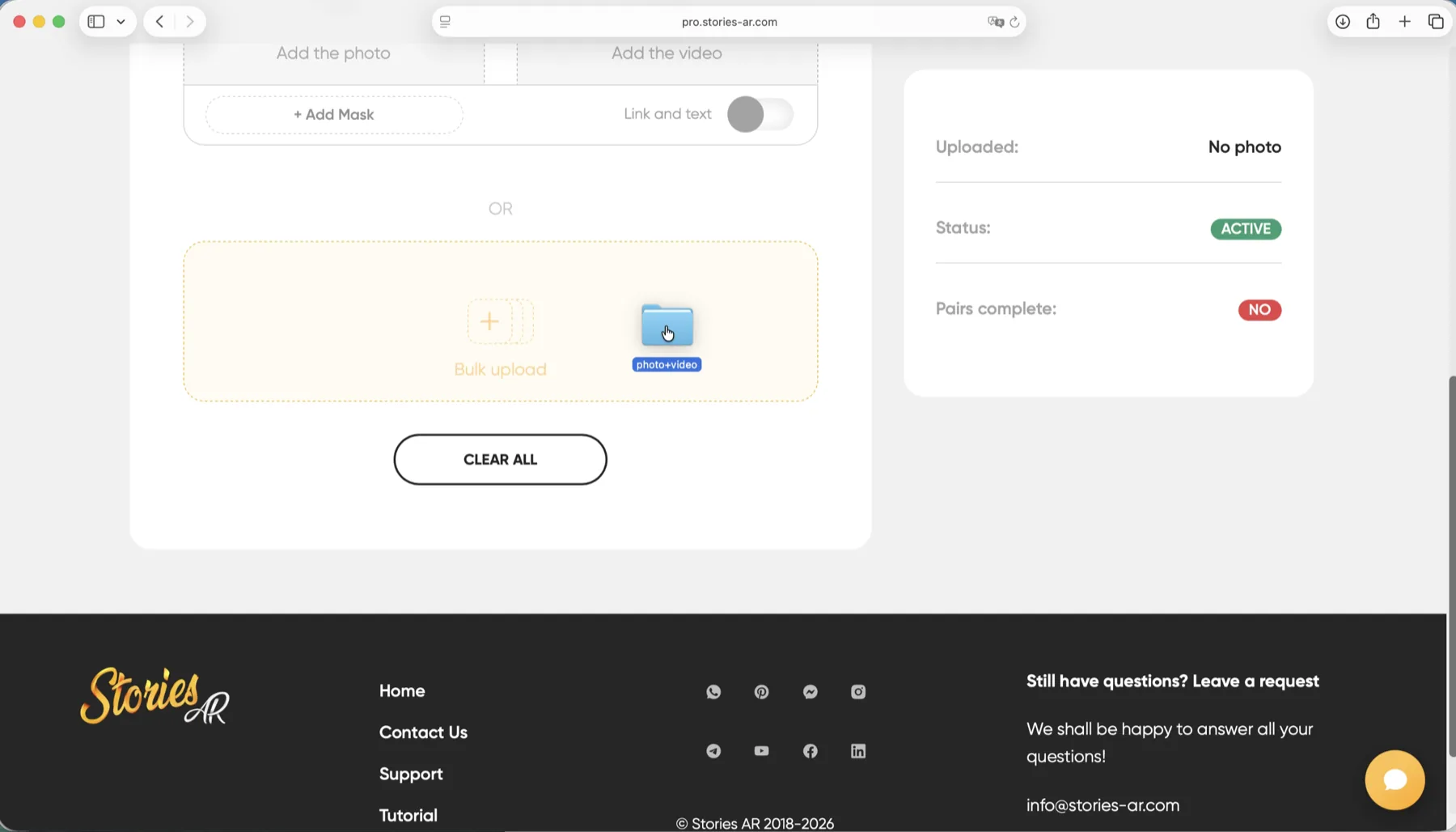
Sign up free, make your first AR photos and demo them at your next client meeting. The PRO plan covers 20 AR photos a month — enough for two full albums.
Start for freeFrequently asked questions
How much extra should I charge for an AR album?+
Price it as a premium tier on top of your album price rather than a fixed tech fee. Your production cost is low — the PRO plan includes 20 AR photos per month — so the margin is mostly yours to set.
What if the client wants a different video later?+
You replace the video in the dashboard and every printed copy plays the new one instantly. The album and QR code never need reprinting.
Do album pages need special printing?+
No. Any detailed printed photo works as a trigger — faces and textured scenes are ideal. Just avoid flat single-color layouts, repeating patterns and very glossy laminate.
How do I demo an AR album to a client remotely?+
Send them the public demo page — the AR photo works from a screen too, so they can scan it during a video call and try it on their own phone.