Photo Magnets That Play Video: A Product Guide
Stories AR team
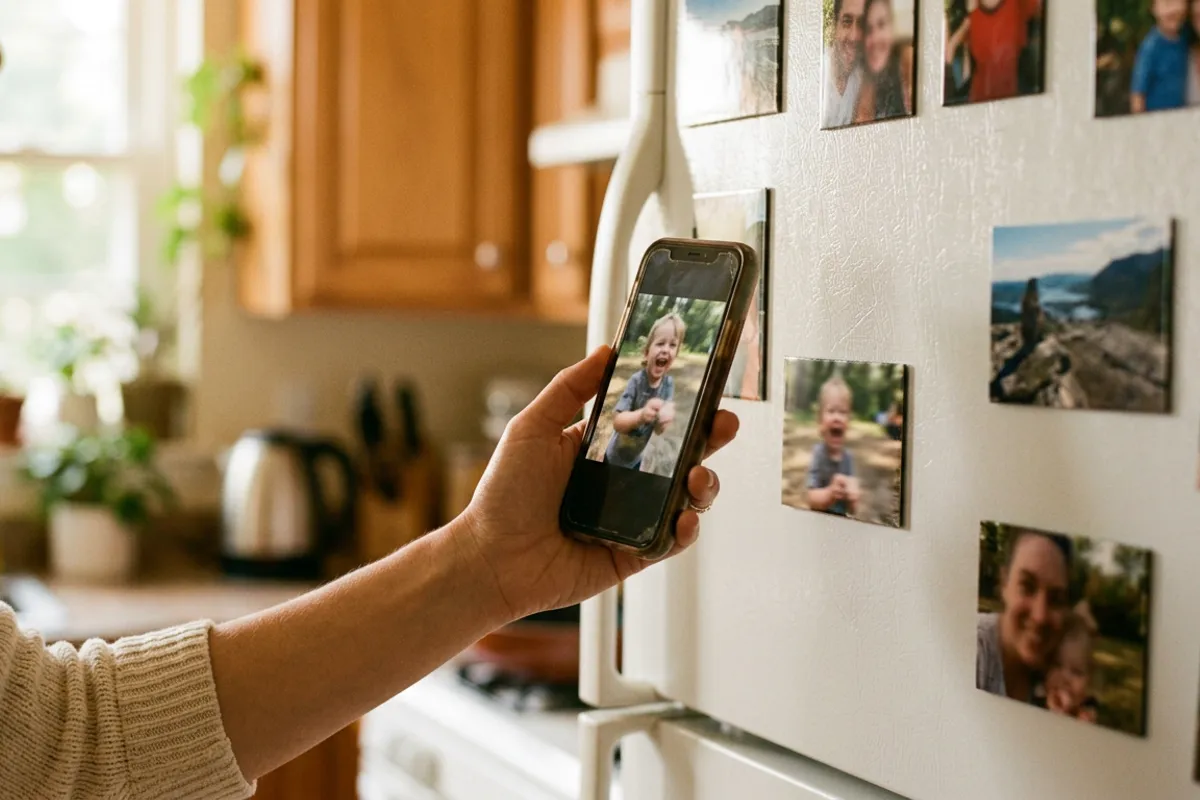
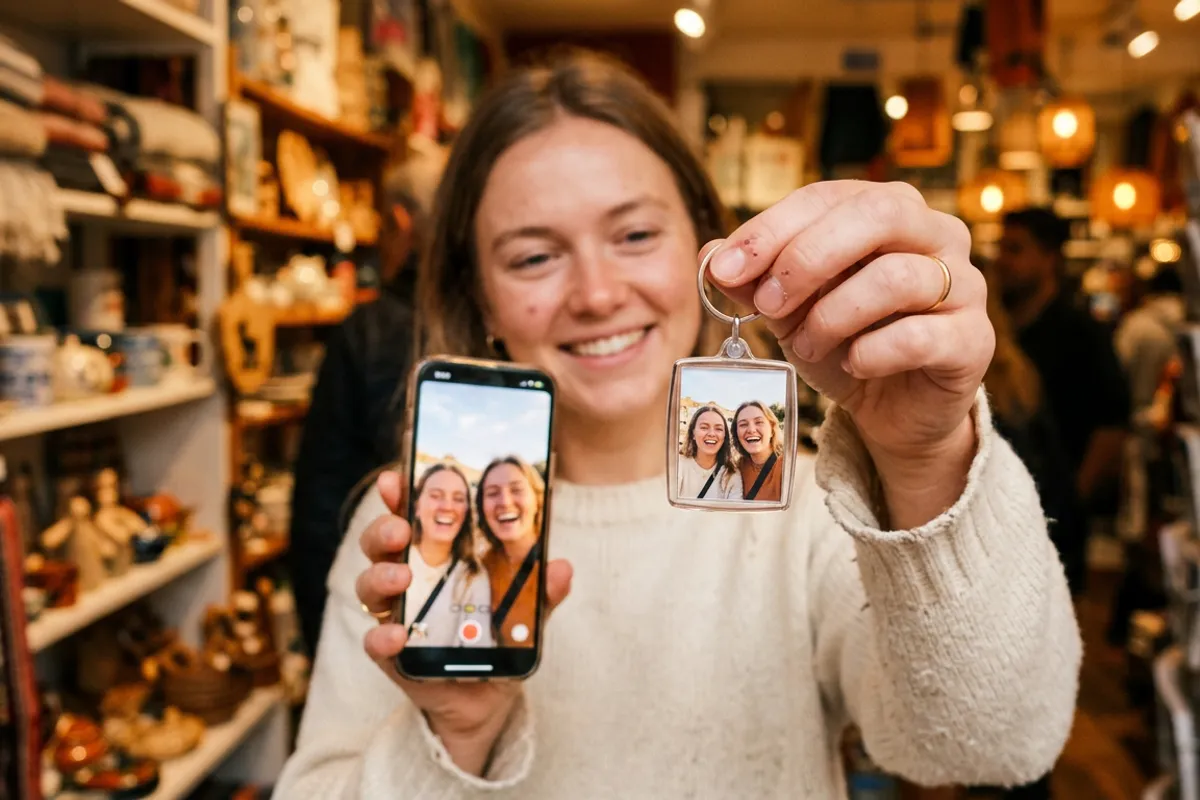
A living photo magnet is a small printed magnet that plays a video when a phone camera is pointed at it. The client sticks it on the fridge, guests scan a QR code — and the frozen moment starts moving. For photographers it is one of the cheapest products to produce and one of the easiest to sell, because everyone already buys photo magnets. Here is how to turn a commodity product into a premium one.
Quick answer
Living photo magnets work exactly like any AR photo: you upload the magnet image and a short video to Stories AR, get a QR code, and print the magnet as usual. AR recognition works from business-card size upward, so standard fridge magnets are large enough. Production cost stays almost the same as a regular magnet, which makes the margin on the "living" version high.
Key takeaways
- AR recognition works from business-card size, so a standard photo magnet is big enough to be a trigger.
- Production cost barely changes: you print the same magnet, only with a QR code added — the AR part is digital.
- Detailed images (faces, textures) track best; avoid flat single-color designs and heavy gloss lamination.
- The QR code never changes, so you can update the video later without reprinting the magnet.
- Magnets are a natural upsell to any family, wedding or newborn shoot — small ticket, easy yes.
Why magnets are a high-margin product
A photo magnet costs very little to produce, and clients already understand the product — no education needed. The AR layer changes the equation: you are no longer selling "a magnet", you are selling a moving memory that lives on the fridge. The physical cost stays the same; the perceived value jumps.
The digital side is covered by your Stories AR plan: the PRO plan at $24/month billed yearly includes 20 AR photos per month, and the first AR photos are free on the free tier. One AR photo can serve an entire magnet run of the same image, so a set of identical wedding favor magnets consumes a single slot.
Because the ticket is small, magnets are the easiest "yes" in your price list. They also travel: a magnet given to grandparents or wedding guests carries your QR code — and your work — into other homes.
Size limits: how small can a living magnet be?
Stories AR recognizes trigger images from business-card size up to posters. A typical fridge magnet — roughly 2×3 inches and larger — is comfortably inside that range, so standard magnet formats need no adjustment.
What matters more than size is detail. The tracking engine locks onto contrast and texture: faces, hair, clothing folds, backgrounds with structure. A close-cropped portrait or a lively family scene tracks well even at small sizes. A flat pastel background with a tiny figure in the middle does not.
One finish warning: heavy gloss lamination creates glare that can confuse the camera. Choose matte or soft-touch lamination for living magnets — it also looks more premium.
What video to pair with a magnet
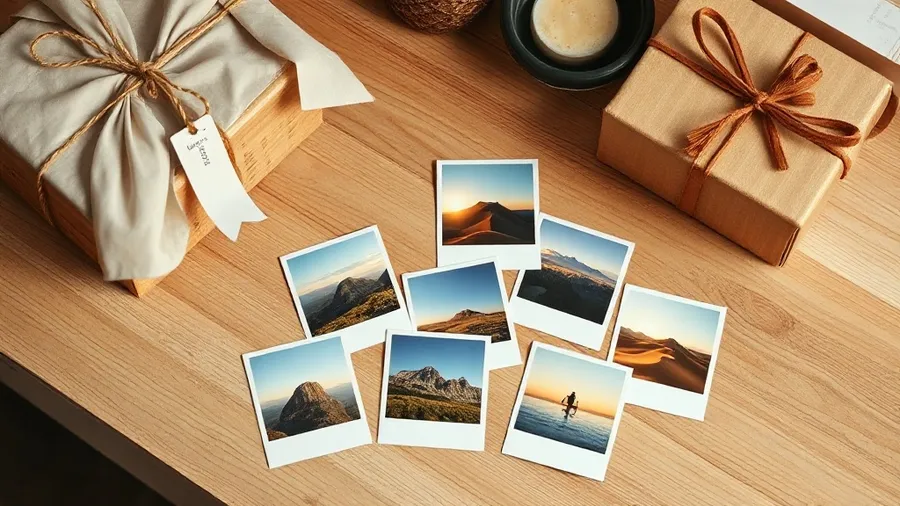
The strongest effect is a video whose first frame matches the printed image: the magnet appears to wake up. During the shoot, record 10–20 seconds of video right after the still frame — the same pose, then movement, laughter, a wave, a kiss.
For small products keep the clip short. 10–30 seconds loads fast, loops nicely and matches the casual way people look at a fridge. You can trim the clip and pick the exact marker frame in the built-in editor after upload.
Sound matters more than photographers expect. A child's giggle or a couple's vows playing from a fridge magnet is what makes people pull out their own phone and ask where to order one.
Production workflow, step by step
The AR part takes about two minutes per image and does not change how you print.
- Pick the still frame you will print and a 10–30 second video from the same scene.
- Upload the pair at pro.stories-ar.com — you get a link and a QR code instantly.
- Place the QR code on the magnet layout: a corner of the image or the back side both work.
- Send the layout to your usual magnet printer — matte finish, standard stock.
- Test-scan a finished magnet before delivering the batch.
How to price and position it
Do not price a living magnet as "magnet plus a small fee". Position it as a separate product line: regular magnet at your usual price, living magnet at roughly two to three times that. The client is paying for the video moment, not the fridge decoration.
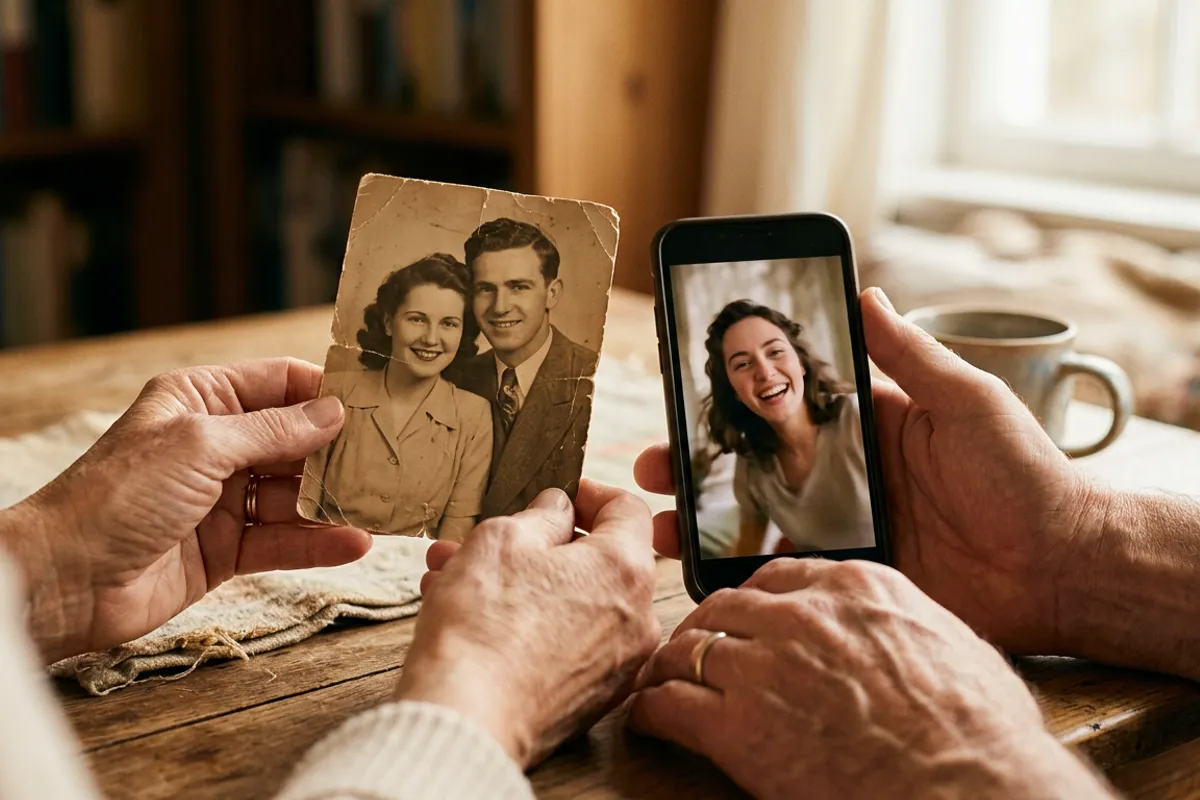
Sets sell better than singles: a wedding set for both families, a grandparent set after a newborn shoot, a season set after a family session. Since the video can be replaced anytime without reprinting, you can even sell an annual "video refresh" for calendar-style magnet sets.
If you are new to the format, start with the mechanics on the live photo printing page, and look at living photos for the full range of products photographers build on the same workflow — more than 62 000 photographers already use it.
Add living magnets to your price list
Upload a photo and a video — get a working AR magnet layout in about two minutes. First AR photos are free.
Start for freeFrequently asked questions
How small can a living photo magnet be?+
AR recognition works from business-card size, so any standard photo magnet format is large enough. What matters is that the image itself is detailed, not flat.
Do I need a special printer or material?+
No. Print magnets exactly as you do now, just add the QR code to the layout and prefer a matte finish over heavy gloss.
Does one AR photo cover a whole batch of identical magnets?+
Yes. One uploaded photo+video pair serves every printed copy of that image — a run of 50 identical wedding magnets uses a single AR photo.
Can the client change the video later?+
Yes. Replace the video in the dashboard and every printed magnet plays the new one — the QR code and link never change.