How a Photo Studio Competes on Product, Not Price
Stories AR team

Open the price lists of five photo studios in any city and you'll read the same document five times: an hour of shooting, so many retouched frames, prints extra. When the offer is identical, clients choose on price — and price competition only ends one way. The way out is not a bigger discount but a product the studio across the street doesn't have. AR photos — prints that play video when a phone is pointed at them — are exactly that kind of product, and adding them takes days, not a renovation budget.
Quick answer
A studio escapes price competition by selling a product competitors don't offer, not by discounting the same package. AR photos — printed pictures that play video in the viewer's browser via Stories AR — turn a standard shoot into a premium keepsake. The studio shoots a short video alongside the photos, pairs them in the dashboard, and sells living prints, albums and frames at premium margins.
Key takeaways
- Identical packages force price competition; a differentiated product ends it.
- AR photos need no new gear — you already have the camera, the video skills and the print pipeline.
- A living demo print at reception sells the upgrade better than any menu description.
- Structure the price list so AR products anchor the top: living album, living frame, living portrait upgrade.
The sameness trap
Studios rarely lose clients because their photos are worse. They lose because nothing in the offer explains why they cost more. "Hour + retouch + prints" reads the same on every site, so the comparison collapses to a single number.
Discounting feels like the fast fix, but it resets the market for everyone and trains clients to wait for promotions. Better equipment doesn't rescue you either — clients can't see the difference between two full-frame bodies, and the studio next door can buy the same one next month.
What clients can see is a product that behaves differently. A printed portrait that starts moving in their hands is not a cheaper or dearer version of the usual package — it's a different thing, and different things don't get price-compared.
Why AR photos are a defensible differentiator
Three properties make AR photos work as a studio differentiator rather than a gimmick.
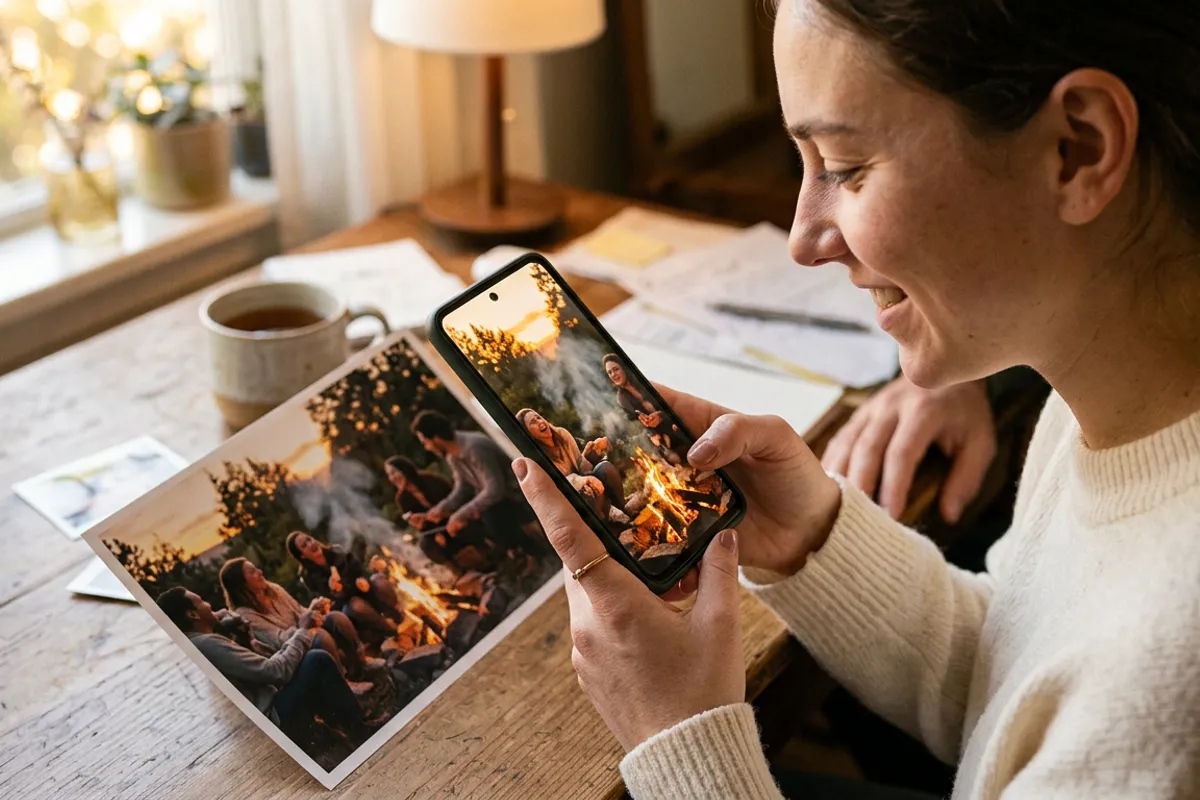
First, the wow effect is physical and instant: the client points a phone at a print and watches it come alive in the browser — Safari or Chrome, no app to install. Demoing it takes ten seconds and zero explanation.
Second, it's an add-on to your existing pipeline, not a new business. You already shoot the session; recording 20–60 seconds of video per look costs a few extra minutes. Pairing photo and video at pro.stories-ar.com takes about two minutes per item, and batch upload handles a full album at once.
Third, while any studio could technically copy you, almost none do. More than 62 000 photographers use Stories AR worldwide — spread across the whole market, that still leaves most cities with zero studios offering living photos. Being first locally matters, because the first studio to demo it owns the association.
Redesign the menu around products, not hours
Differentiation dies if the new product hides in a footnote. Rebuild the price list top-down:
- Flagship: the living album — a printed album where key spreads play video from the shoot. Priced visibly above everything else; it defines what your studio is about.
- Middle: classic package + living portrait upgrade — the client picks one or two frames that come alive. This is the volume seller.
- Entry: the familiar hour + retouch package, unchanged — so price shoppers still have a door in, and the upsell happens at the viewing session.
- Impulse add-ons: living magnets, postcards and calendars produced from frames the client already licensed.
The demo at reception does the selling
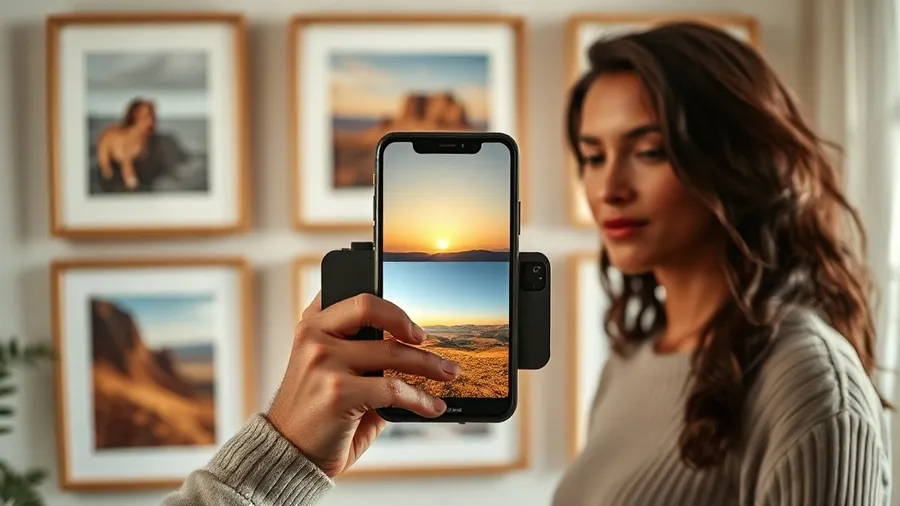
Print one exceptional living portrait and frame it at reception with a small sign: "Point your camera at me." Every client waiting for a session becomes a demo audience, and the reaction — surprise, then "can we do this with ours?" — is the whole pitch.
Train whoever runs your viewing sessions to show, not tell: hand the client a phone with the camera open rather than describing the technology. You can rehearse the exact experience yourself on the demo page before your first client sees it.
One operational bonus: the video behind a living print can be replaced without reprinting, so a studio can refresh its reception demo seasonally — same frame on the wall, new video inside it.
The numbers side
Costs are easy to model. The PRO plan is $24/month billed yearly and includes 20 AR photos per month; the first AR photos are free, which covers your demo prints and a pilot package. Against that, every living product carries a premium you set — and since the photo, video and print were already in your cost base, the premium is close to pure margin.
To see what the add-on does to monthly revenue at your session volume and prices, run your numbers through the photographer earnings calculator — it models exactly this upsell math.
The strategic payoff is bigger than the per-order margin: a studio known for a product nobody else sells stops appearing in "cheapest studio near me" comparisons and starts getting referred by name. That's what competing on product means.
Give your studio a product to compete with
Make your first living demo print at pro.stories-ar.com — the first AR photos are free, and reception will start selling it for you.
Start for freeFrequently asked questions
Do clients need to install anything to see their living photos?+
No. They scan a QR code and the print plays video right in the phone browser — Safari on iOS, Chrome on Android.
Does the studio need new equipment to offer AR photos?+
No. You shoot photo and short video with your existing camera, pair them in the Stories AR dashboard and print as usual.
How much does it cost to run?+
The first AR photos are free; the PRO plan is $24/month billed yearly with 20 AR photos per month. Each living product you sell carries your own premium on top.
What if a competitor starts offering it too?+
Being first locally builds the association, and execution still differentiates: video quality, album design and the demo experience are yours. A copied feature is not a copied reputation.